When it comes to managing health conditions, diet plays a vital role. One such health condition that requires attention in terms of diet is Fatty Liver Disease. In the past few years, the keto diet has gained immense popularity as a way to lose weight quickly. However, when it comes to following a keto diet with a fatty liver, there are certain precautions that one must take. In this blog post, we cover the basics of a keto diet, how it affects the liver, the symptoms of Fatty Liver Disease, and most importantly, safety tips for following a keto diet with a fatty liver.
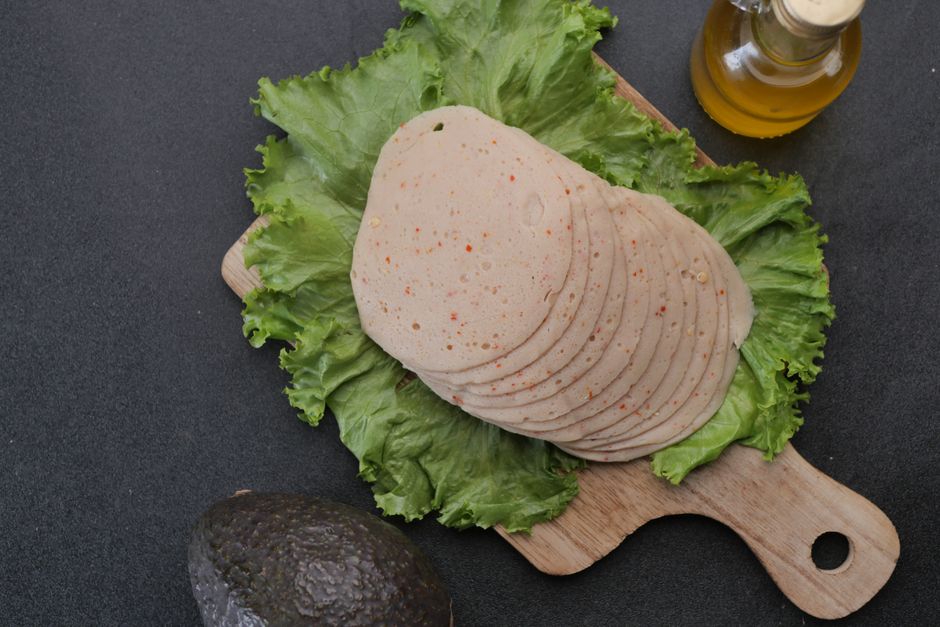 Photo by Towfiqu barbhuiya on Pexels
What is a Keto Diet and How it Affects the Liver.
A ketogenic or keto diet is a low-carb, high-fat diet that forces the body into a state of ketosis. In this metabolic state, the body turns to fat for fuel instead of carbohydrates, which is the primary source of fuel for the body. This process leads to weight loss, reduced appetite, and improved blood sugar levels.
Understanding the Impact of a Keto Diet on the LiverThe liver plays a vital role in maintaining a stable blood sugar level and responding to insulin levels. The liver functions as a storage house for glucose, which is one of the primary sources of energy for the body. In a keto diet, when carbohydrate intake is reduced, the liver responds by breaking down fats into molecules called ketones, which the body uses as an alternative source of energy. During this process, the liver produces more ketones than it would produce under normal carb-rich diets. While this process is beneficial for weight loss, people with fatty liver disease must be cautious as it can lead to further complications.
Identifying Fatty Liver Disease and its Symptoms
Fatty Liver Disease, also known as non-alcoholic fatty liver disease (NAFLD), is a condition where fat builds up in the liver and can cause inflammation, damage and scarring over time. Obesity, type 2 diabetes, high cholesterol, and a sedentary lifestyle are some of the most common causes of Fatty Liver Disease. This condition affects around 25% of the world's population and can lead to serious complications if left untreated.
The Symptoms to Watch Out ForFatty Liver Disease is often asymptomatic in the early stages, which makes it difficult to diagnose until it has progressed severely. Some of the common symptoms of fatty liver disease include fatigue, abdominal pain, and swelling in the abdomen.
Safety Tips for Following a Keto Diet with a Fatty Liver
The primary goal of following a keto diet with a fatty liver is to reduce the overall stress on the liver. One way to achieve this is by balancing macronutrient ratios. A moderate keto diet that consists of 50-75% fat, 15-20% protein, and 5-10% carbs is safer and healthier for people with fatty liver disease. It is also essential to track the intake of saturated fats, as they can contribute to further liver damage.
Suggested Food Options for a Healthy Keto DietThe key to following a healthy keto diet with fatty liver disease is to choose the right foods that promote liver health while being low in carbohydrates. Healthy fats such as olive oil, avocados, nuts and seeds, and fatty fish are excellent options. Lean proteins such as chicken, turkey, and fish, are healthy options for protein. Fresh vegetables and fruits such as leafy greens and berries are low in carbohydrates and nutrient-dense.
Additional Tips and Precautions
Eating a healthy keto diet is just one part of the equation. It is also essential to engage in physical activities, such as strength training, to increase muscle mass. One should also avoid alcohol consumption and stay hydrated by drinking plenty of water throughout the day.
Exercise RegularlyRegular exercise can aid in reducing body weight and building muscle mass, which helps in reducing the risk of serious complications related to fatty liver disease. Resistance training or strength training can effectively build muscle mass while also aiding in weight loss.
Avoid Alcohol ConsumptionAlcohol consumption can damage liver functioning and contributes to further complications related to Fatty Liver Disease. People with fatty liver disease should avoid alcohol consumption entirely.
Stay HydratedStaying hydrated is essential as it aids in flushing toxins out of the body, which results in a healthier liver. Drinking plenty of water, herbal teas, and other non-sugary beverages is highly recommended.
Following a Keto Diet with a Fatty Liver: Success Stories
Several people with fatty liver disease who successfully follow a keto diet have documented their journey. These success stories are proof that a well-planned keto diet, combined with healthy habits, can work wonders for people with fatty liver disease.
Conclusion
A well-planned and executed keto diet can aid in reducing weight loss and managing symptoms of fatty liver disease. However, following a keto diet with fatty liver disease has its challenges, but it is possible with the right guidance and precautions. Balancing macronutrient ratios, including healthy fats, lean proteins, and low-carb vegetables is the key to following a healthy keto diet with fatty liver disease. It also requires a combined effort of staying hydrated, engaging in physical activity, and avoiding alcohol consumption.
Optional: Call for Action
If you want to follow a keto diet with fatty liver disease, it's essential to consult with a healthcare professional. They can assess your specific needs, develop a customized plan and monitor your progress. Download our free Ketogenic Diet Plan for Fatty Liver to help you start your keto journey with confidence.
Comments
Post a Comment